
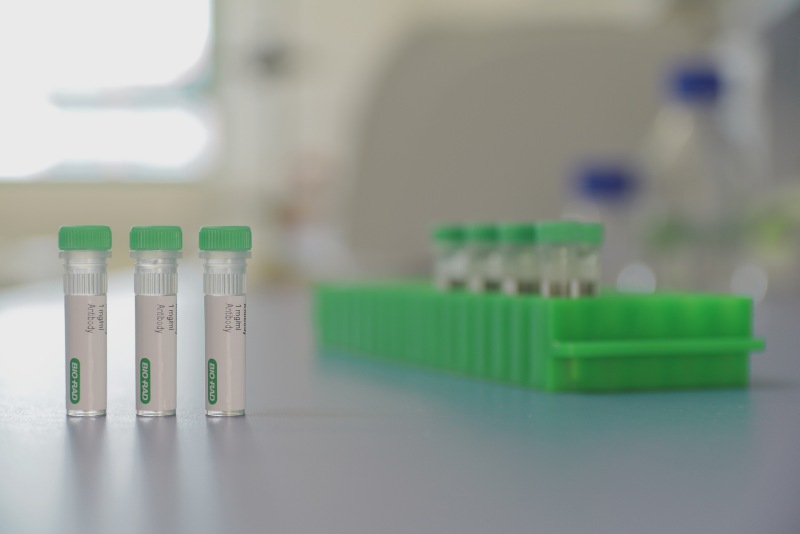
Bio-Rad Laboratories has expanded its portfolio of recombinant monoclonal antibodies, introducing new anti-idiotypic and anti-Fc mutation antibodies to support bioanalytical applications and therapeutic drug monitoring.
The updated range includes eight anti-idiotypic antibodies targeting widely used biologics, including romosuzumab (Evenity), burosumab (Crysvita), ixekizumab (Taltz), elotuzumab (Empliciti), isatuximab (Sarclisa), nirsevimab (Beyfortus) and tremelimumab (Imjudo). In addition, Bio-Rad has launched a recombinant monoclonal anti-biotherapeutic antibody specific to dulaglutide (Trulicity), marking its first antibody developed against a GLP-1 receptor agonist.
These highly specific, non-animal derived antibodies are designed for use in preclinical and clinical pharmacokinetic (PK) and anti-drug antibody (ADA) assays, enabling sensitive and selective detection of biologic and biosimilar therapeutics.
Bio-Rad has also introduced its first range of anti-Fc mutation antibodies, designed to detect therapeutics incorporating YTE modifications. These antibodies recognise the YTE triple substitution (M252Y, S254T, T256E) in the Fc region of human IgG1—an engineered modification known to extend antibody half-life. The reagents are suitable for use in PK bridging ELISAs to quantify free drug levels in serum.
Hilary Mavor, Marketing Director, Life Science Group at Bio-Rad, said:
“With more than 350 antibodies across over 50 specificities, our anti-idiotypic antibody portfolio enables researchers to develop robust and reliable bioanalytical assays. The addition of anti-Fc mutation antibodies and new anti-biotherapeutic reagents reflects our continued focus on supporting emerging drug formats and advancing antibody-based research.”
Together, these additions strengthen Bio-Rad’s offering for researchers working in biologics development, biosimilar analysis and therapeutic monitoring, providing flexible tools for increasingly complex drug modalities.


