
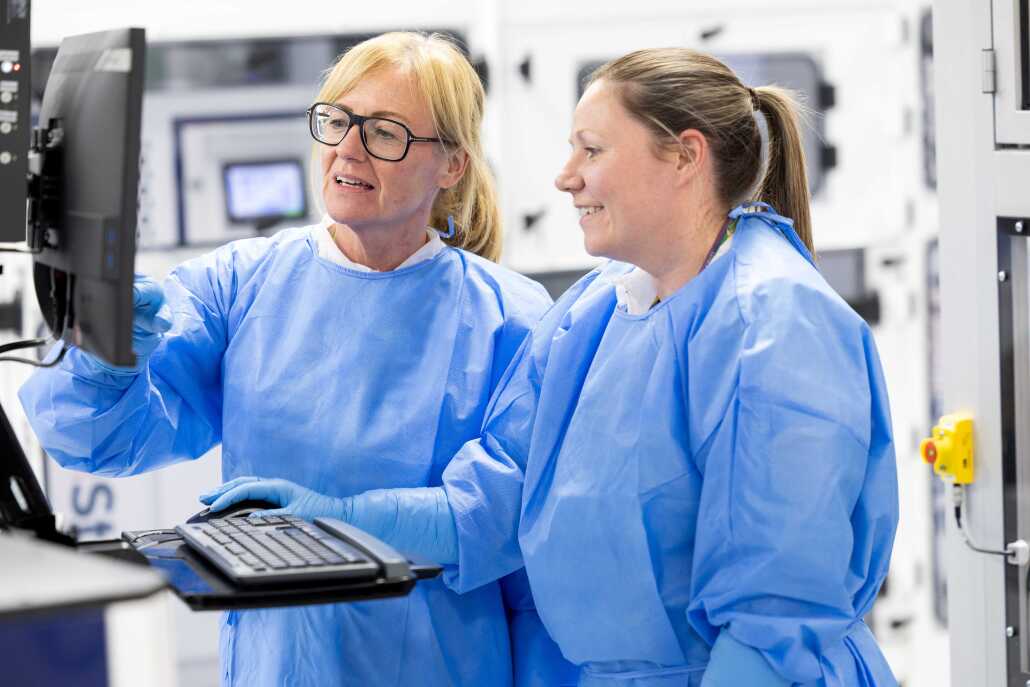
A new high-security laboratory combining artificial intelligence, robotics and human organoid technology has opened in Liverpool, with the aim of accelerating the development of drugs and vaccines while reducing reliance on animal testing.
The £20 million Liverpool Accelerate Laboratory has been developed through the Infection Innovation Consortium (iiCON) and is based at the Liverpool School of Tropical Medicine (LSTM).
Described as a UK-first facility, the laboratory will bring together automated technologies, AI and advanced human infection models to support research into high-risk and potentially deadly infectious diseases. The facility is expected to become fully operational in 2027.
Its secure Containment Level 3 (CL3) laboratories will incorporate automated liquid handling systems, robotics and AI, enabling researchers to work safely with dangerous pathogens while increasing the scale, speed and reproducibility of infectious disease research.
A key focus will be the use of human organoids – miniature, laboratory-grown models created from human cells that can replicate important characteristics of organs and tissues. Models available through the facility will include liver, lung, tonsillar and skin organoids.
By providing more human-relevant information about how potential treatments behave, organoid technology could help researchers identify promising drugs and vaccines earlier in development and support efforts to reduce the use of animals in scientific research.
The laboratory will be available to academic researchers and companies ranging from start-ups and SMEs to multinational organisations. iiCON will also support initial pilot studies, helping businesses explore the potential of organoid-based testing for new treatments.
