
Lab Talk News in Brief: partnerships, acquisitions, spin-outs, new builds, appointments
3 Jun 2026
Sapio Sciences has partnered with consulting and technology firm ZS to support deployment of the Sapio Platform across biopharma R&D and chemistry, manufacturing and controls laboratories. Under the agreement, ZS will provide consulting and implementation services and has joined the Sapio partner programme as a consulting partner.
Deep Science Ventures and Medicines Discovery Catapult have announced a strategic collaboration focused on improving delivery of medicines to the brain. The partnership aims to address challenges associated with crossing the blood-brain barrier, a key obstacle in developing treatments for neurological conditions despite advances in identifying potential therapeutic targets.
T-CURX has signed an agreement to acquire Pantherna Therapeutics, a German biotechnology company specialising in mRNA engineering and lipid nanoparticle delivery technologies. Pantherna will continue to operate as a wholly owned subsidiary. The companies said the combination of their technologies is intended to support development of in vivo CAR-T therapies.
A major international study led by UCL has found that many people with breast cancer may be able to avoid chemotherapy without increasing the risk of recurrence. The OPTIMA trial followed more than 4,400 patients and found that people aged 40 and over with low Prosigna test scores could be treated with hormone therapy alone. The findings were presented at ASCO 2026.
Korecyte Bio has been spun out from King’s College London, with support from Cell and Gene Therapy Catapult through investment and transactional expertise. The company is developing HypoxiCAR, a tumour-activated CAR-T platform designed to activate T cells only in the low-oxygen environments typically found in solid tumours, while remaining inactive in healthy tissue. The approach is intended to improve the safety and effectiveness of CAR-T therapies for solid cancers by reducing off-target effects and toxicity while enhancing anti-cancer activity. Investment from CGT Catapult has been provided through the Innovate UK Cross-Catapult Investment Pilot, which supports seed investment in emerging technology companies.
Researchers at Imperial College London have reported progress with a procedure designed to treat cardioinhibitory swallow syncope, a rare condition that can cause blackouts while eating.The technique, known as cardioneural ablation, targets nerves responsible for abnormal heart-slowing responses. To date, researchers have treated 52 people using the procedure. The study was supported by the British Heart Foundation and the NIHR Imperial Biomedical Research Centre.
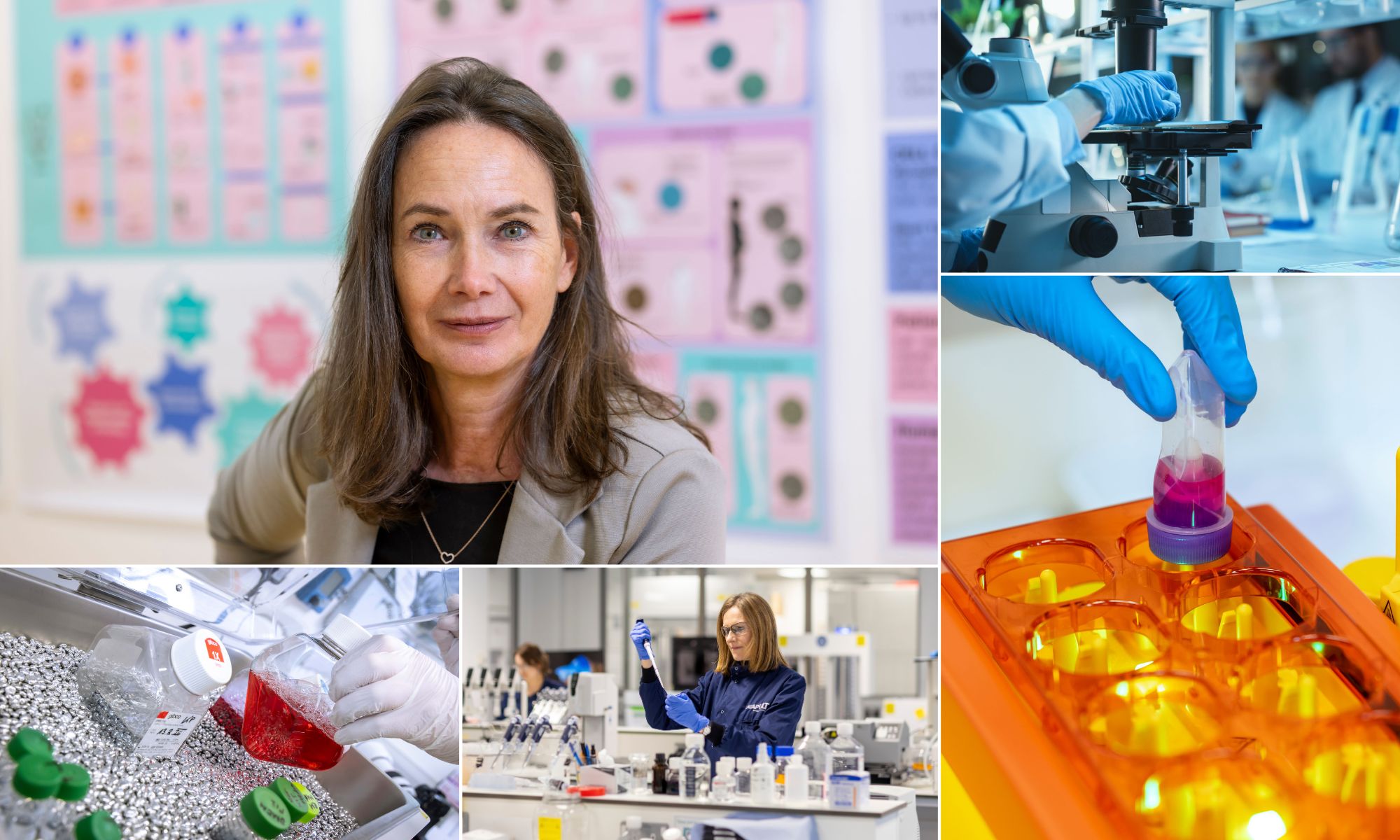
A Christian Doppler Laboratory has been established at the Medical University of Graz to investigate lipid emulsions as a potential complement to chemotherapy. The seven-year programme is supported by the Austrian Federal Ministry of Economy, Energy and Tourism and industrial partner Fresenius Kabi Austria. The laboratory will be directed by Beate Rinner (pictured) and will explore approaches aimed at improving chemotherapy effectiveness.
Tecan has launched direct operations in India, including a local sales and service team based in Gurugram near New Delhi. The laboratory automation company said it will continue to work with long-standing distributor partner Bioscreen while expanding support for customers across pharmaceutical, biotechnology, academic and diagnostic sectors
A new Scottish initiative will work to integrate sustainability principles into undergraduate medical education. Led by the University of St Andrews and supported by a £100,000 Scottish Government grant, the programme will coordinate activity across Scotland's five medical schools through the Scottish Sustainable Healthcare Education Board.
The Lancet has published a series of papers calling for greater focus on the diagnosis and treatment of chronic kidney disease. The authors highlight significant underdiagnosis of the condition and point to wider use of urine testing as a potential means of improving detection. Chronic kidney disease affects an estimated 7.2 million people in the UK and 844 million adults globally.
Craig Marshall has joined Amadeus Capital Partners as a venture partner. Marshall previously served as chief executive of OrganOx, where he led the commercialisation of the company's organ preservation technology and its acquisition by Terumo Corporation in 2025. He will support founders developing science-led technology businesses.
Gaelic Laboratories has achieved BSI Kitemark certification for minimised risk of antimicrobial resistance. The GMP-approved manufacturer of beta-lactam antibiotics said the accreditation demonstrates compliance with standards designed to reduce the environmental risk of antimicrobial resistance during antibiotic production. The company plans to pursue the same certification for sister company Athlone Laboratories.
ELRIG has announced the keynote programme for Drug Discovery 2026, which marks the 20th anniversary of its annual conference. Dr Sam Barrell CBE of LifeArc will deliver the opening keynote, while speakers across the event include representatives from GSK, OtoImmune, AstraZeneca and Our Future Health. The conference takes place at ExCeL London on 14-15 October.
Dr Parimala Shivaprasad of the University of Nottingham has been selected for a fellowship with the Department for Science, Innovation and Technology. The programme places academic and industry experts within government departments to strengthen the use of scientific evidence in policymaking. Shivaprasad will contribute expertise relating to climate change, energy security and emerging technologies.
Jurit law firm has advised specialist scientific and commercial consultancy E-vate on its transition to employee ownership through the establishment of an Employee Ownership Trust (EOT). Chris Harrison, director of E-vate, whch was founded in 2010 and is based in Knutsford, Cheshire said: “We believe employee ownership gives E-vate a strong platform for the future and reinforces what clients value most about working with us. Jeremy and the team at Jurit provided clear, commercial and pragmatic legal advice throughout the process and were instrumental in helping us complete the transaction successfully.”
Researchers at Aston University have received a £498,000 grant from UK Research and Innovation to develop wound-care bioadhesives from waste tea leaves. The project will investigate materials inspired by the adhesive properties of mussels, using tannin and lignin extracted from spent tea leaves. Researchers aim to develop biodegradable adhesives that perform effectively on wet or damaged skin.
The Chemical Business Association has welcomed the Government's announcement of a £350m Critical Chemicals Resilience Fund.The funding is intended to support strategically important chemical producers, strengthen supply chains and improve resilience across the sector. The association said the move reflects growing recognition of the chemical industry's importance to the UK economy.
