
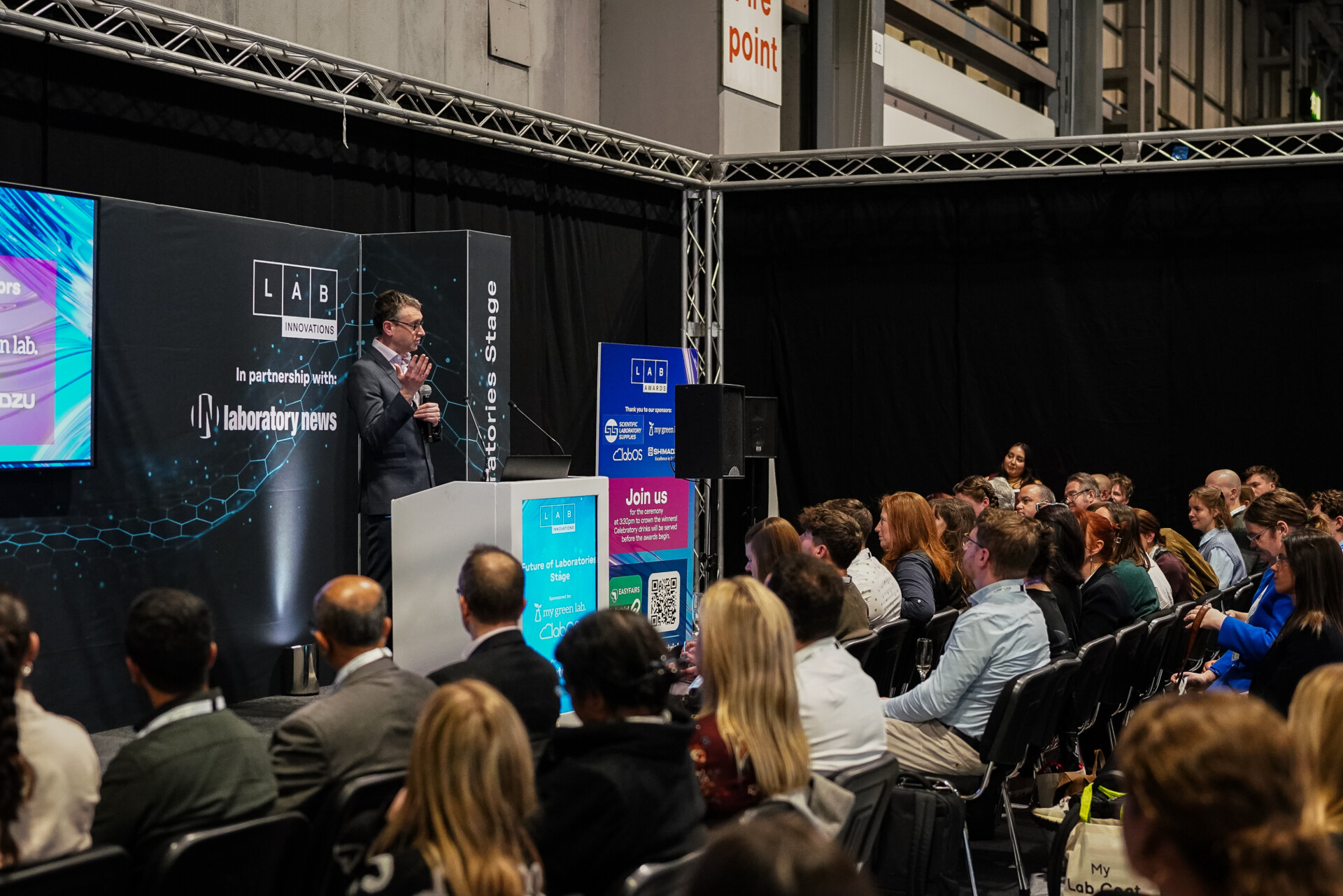
Lab Innovations 2026 brought the laboratory community together at Birmingham's NEC for two days of equipment demonstrations, scientific discussion and industry networking, with automation, sustainability and artificial intelligence among the key themes running through the exhibition and conference programme.
The NEC Birmingham welcomed laboratory professionals, scientists, researchers and equipment suppliers on 4–5 November for Lab Innovations 2026, one of the UK's principal events dedicated to laboratory technology and scientific innovation.
The exhibition provided an opportunity for visitors to explore new products, compare equipment and discuss the practical challenges facing laboratories across research, pharmaceutical manufacturing, biotechnology, environmental testing, food science and quality control.
Exhibitors represented a broad cross-section of the laboratory supply chain, from manufacturers of analytical and measurement instruments to suppliers of sample preparation equipment, liquid handling systems, consumables, laboratory furniture and specialist software.
Automation and digitalisation were important areas of interest, reflecting the growing pressure on laboratories to increase sample throughput, improve data integrity and reduce repetitive manual processes. Sustainability also remained a prominent consideration, with energy consumption, resource efficiency and the environmental impact of laboratory operations continuing to influence purchasing decisions.
Conference programme reflects changing laboratory priorities
Beyond the exhibition stands, the conference programme was a major part of the event, with more than 60 expert speakers across five dedicated stages covering scientific innovation, sustainability, biotechnology, quality assurance and professional development.
The Royal Society of Chemistry (RSC) stage placed particular emphasis on the impact of artificial intelligence on scientific work. Keynote presentations included broadcaster and author Timandra Harkness discussing what scientists can contribute in an increasingly AI-driven world, while virologist and science communicator Dr Chris Smith explored the causes of pandemics.
One particularly popular and well-attended session on the RSC stage came from Laboratory News' own Laboratology columnist, Dr Matthew Partridge, who presented How to Make Your Data AI Ready.
His presentation addressed an increasingly important question for laboratories considering the adoption of artificial intelligence: how can existing scientific data be prepared so that AI tools can use it effectively?
The subject was especially relevant as laboratories explore the potential of AI to support data analysis, identify patterns and improve decision-making. Before these technologies can deliver meaningful results, however, laboratories need to consider the quality, consistency, accessibility and organisation of the information they collect.
Elsewhere, the Future of Lab stage focused on sustainability, including the practical steps laboratories can take to reduce their environmental footprint. The Biotech stage explored developments in life sciences and biotechnology, while Lab Live offered practical demonstrations of equipment and technologies. The Quality Infrastructure stage addressed accreditation, testing and technical competence.
A broad mix of laboratory suppliers
The exhibition featured established manufacturers alongside specialist distributors and emerging technology businesses. Companies including Thermo Fisher Scientific, Sartorius, Agilent Technologies, Mettler Toledo and Gilson were among the suppliers represented, together with businesses specialising in laboratory informatics, automation, instrumentation and laboratory design.
The variety of products and services highlighted the increasingly interconnected nature of modern laboratory operations. Instrument performance remains essential, but laboratories are also looking at how equipment, software, data systems and staff can work together more effectively.
The event's co-location with Advanced Engineering and UK Metals Expo provided an additional opportunity for visitors to explore technologies and expertise from the wider engineering and manufacturing sectors.
Overall, Lab Innovations 2026 demonstrated the breadth of innovation taking place across the laboratory industry. From improvements in everyday equipment and sample handling to the wider implications of AI, automation and sustainable laboratory operations, the exhibition and conference offered plenty for laboratory professionals to consider as they plan future investments and working practices.
More information can be found at https://www.lab-innovations.com/
